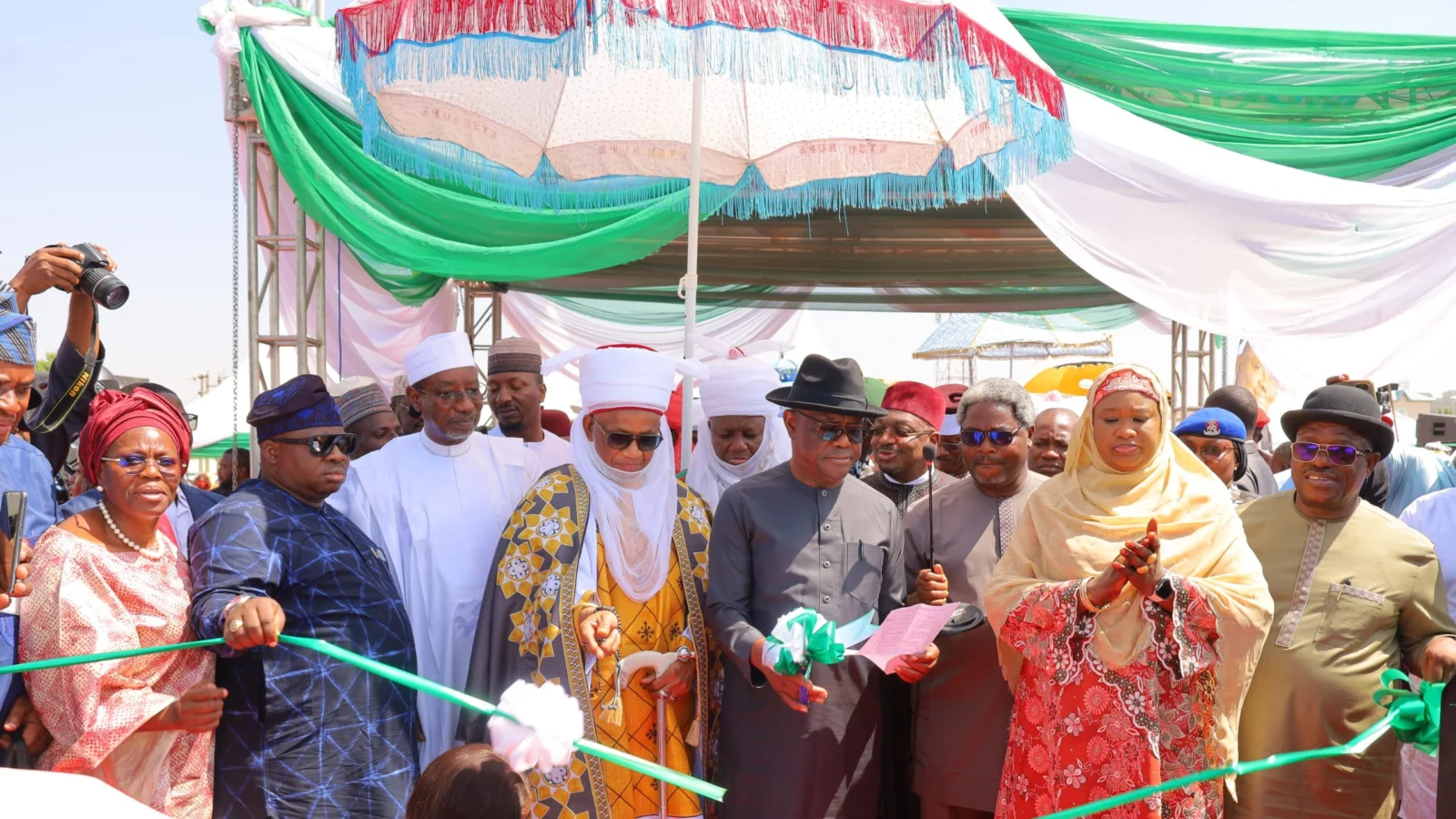
Speaking on Friday during the presentation of vehicles and certificates of office, Wike said the provision was meant to restore the dignity of traditional institutions and recognise their role in maintaining peace in communities.
He said the elevation of the traditional stools was a historic development, coming nearly 30 years after the creation of the FCT Traditional Rulers Council in 1997.
However, questions remain about the cost of the vehicles, the procurement process and the source of funding. The FCT Administration has not publicly disclosed the total expenditure or individual vehicle prices.
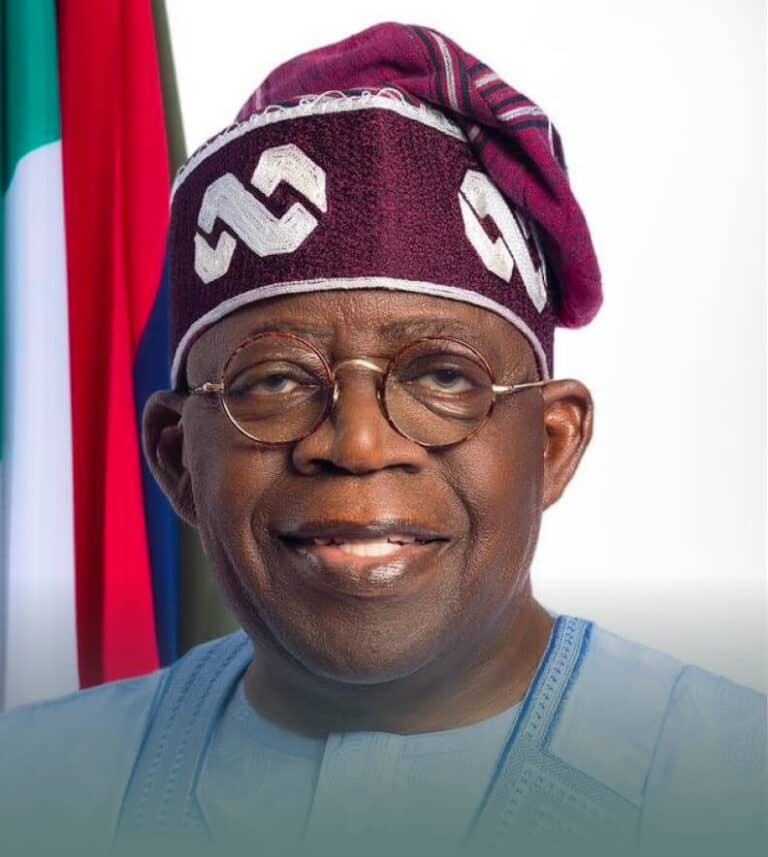
The development also comes against the background of Wike's October 31 announcement of the vehicle approval at a political stakeholders' gathering where support for President Bola Tinubu's re-election in 2027 was endorsed. This has added to questions about the political neutrality of traditional institutions.
Wike also promised that the FCT Administration would make provision in the 2027 budget to construct palaces for first-class traditional rulers, with other categories to benefit in subsequent phases.
He urged the six area council chairmen to provide logistical support, particularly fuel, to keep the new vehicles operational.
The financial commitments come amid an earlier funding concern raised by the FCT Traditional Council. In March 2025, its chairman, Alhaji Adamu Baba Yunusa, called for five per cent of Area Council allocations to support traditional institutions. The House of Representatives committee handling the matter said the existing financial framework did not expressly provide for the proposed allocation.
Separately, the International Centre for Investigative Reporting (ICIR) reported on November 10 that Wike had promised councillors ₦10 million each if they delivered their wards to Tinubu and other APC candidates in the 2027 elections. The proposed payments could total ₦620 million if all 62 councillors qualified.
While the councillors' proposed payments are a separate issue from the monarchs' vehicles, the developments raise broader questions about public spending and the relationship between government benefits and political support.
The FCT Administration is yet to publicly provide a breakdown of the SUV procurement costs.