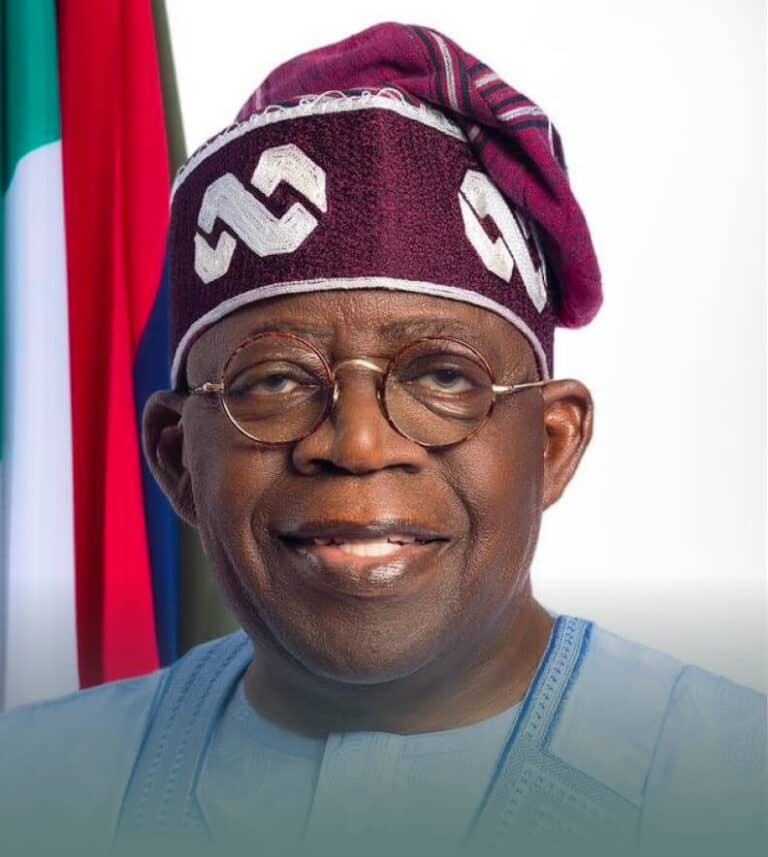
Tinubu made the appeal on Monday, November 23, 2026, at a town hall meeting organised by the Ndigbo National Dialogue and Development Initiatives in Lagos, attended by Igbo leaders, traders, business owners and political figures.
The meeting provided a platform for the President to seek political support while reaffirming his commitment to national unity. The appeal comes against the background of the 2023 presidential election, when Labour Party candidate Peter Obi defeated Tinubu in Lagos State.
Obi polled 582,454 votes against Tinubu's 572,606, winning by 9,848 votes. Although the result cannot be attributed exclusively to Igbo voters, Obi enjoyed considerable support among sections of the Igbo community in Lagos.
At Monday's meeting, Tinubu urged Ndigbo to strengthen their participation in national politics and support his second-term ambition.
"I can commit to one thing, the unity of Nigeria. Though tribes and tongues may differ, in brotherhood we stand. None of us told God when we were born where we would be born or what language we would speak," he said.
The President acknowledged the contributions of Igbo entrepreneurs and traders to Nigeria's economy, assuring them that no section of the country would be excluded from his Renewed Hope Agenda.
He also claimed that South-East governors were working with him to improve the country and supporting his re-election bid.
Among those present were Minister of Works Dave Umahi, Minister of State for Budget and Economic Planning Doris Uzoka-Anite, former Minister of State for Labour and Employment Nkeiruka Onyejeocha and businessman Chidi Anyeagbu.
However, the presence of prominent Igbo figures in government does not, by itself, answer wider questions about political representation, federal investment and economic opportunities for the South-East. The economic concerns raised at the meeting offered a more practical test of the administration's assurances.
Tony Nwakeze, leader of the Ndigbo Traders Association in Lagos, appealed for loans at five per cent interest to help traders move from importation to local manufacturing. He identified traders operating in Alaba, Trade Fair and Ladipo markets as potential beneficiaries, saying financial support would help expand businesses and create opportunities for young people.
He also proposed a cross-guarantee arrangement under which traders would organise themselves to guarantee repayment.
Tinubu also highlighted government programmes, including the Nigerian Education Loan Fund and lending opportunities through the Bank of Industry, as part of efforts to improve access to education and business finance.
Lagos Governor Babajide Sanwo-Olu assured Tinubu of massive votes from the state in 2027, while Uzoka-Anite said Ndigbo in Lagos had begun grassroots mobilisation, with structures established at polling-unit level. Onyejeocha and Nwakeze also pledged support for the President.
Nevertheless, endorsements by community leaders and political figures do not necessarily represent the voting intentions of every Igbo resident in Lagos. Individual voters retain the right to make their own electoral choices.
Tinubu's appeal therefore goes beyond securing political endorsements. It presents an opportunity for his administration to demonstrate that inclusive governance means more than welcoming communities during election campaigns.