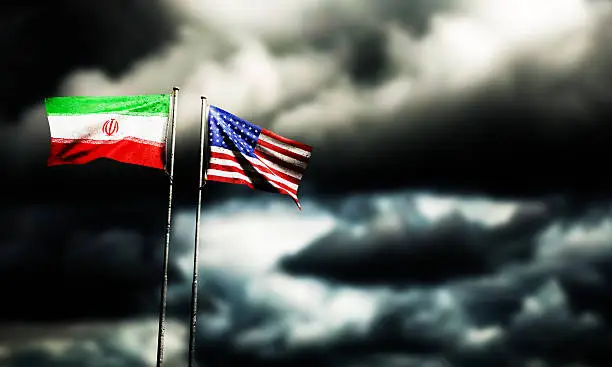
Trump's Republican Party lost control of both chambers of Congress in Tuesday's US midterm elections, while Netanyahu's governing coalition lost its parliamentary majority in Israel's October 27 election.
Although the outcomes differ, both setbacks have exposed growing public dissatisfaction with the leaders and their handling of the conflict with Iran.
In the United States, the Democratic victories will give the party greater control over congressional scrutiny, legislation and government spending, potentially making it harder for Trump to pursue his domestic agenda and sustain political support for the war.
In Israel, Netanyahu faces the challenge of securing sufficient parliamentary support to remain in power. The opposition, led by Gadi Eisenkot, has used the inconclusive election outcome to question his leadership and its implications for Israel's security and international standing.
While Trump remains president with considerable authority over foreign policy and military operations, Netanyahu's immediate concern is whether he can assemble a governing majority.
The American result could also increase congressional scrutiny of military assistance to Israel, particularly as some Democrats have questioned Washington's continued support for Netanyahu's government.
Netanyahu's close political association with Trump has become another issue for his domestic opponents, who argue that it has weakened Israel's traditionally bipartisan relationship with Washington.
The electoral setbacks could create an opening for Tehran to pursue diplomatic negotiations as Trump faces increased domestic pressure over the economic and security consequences of the war.
Rising fuel prices and disruption to energy supplies have become important concerns for American voters, strengthening arguments for a diplomatic resolution rather than prolonged military confrontation.
However, Iran could misinterpret the political difficulties facing Trump and Netanyahu as evidence of reduced American and Israeli willingness to continue military operations, potentially encouraging further escalation.
The outcome therefore presents Tehran with both an opportunity for negotiations and the risk of miscalculation.
The elections do not automatically signal an end to the conflict. Trump retains presidential powers, while Netanyahu could still negotiate another governing arrangement. Any change in military strategy will depend on subsequent political and diplomatic decisions.
South African President Cyril Ramaphosa, reacting to the American results on Wednesday, said the Democrats' victories and their capture of both congressional chambers could usher in a new era in international relations.
His comments reflect the wider international significance of the political changes in Washington, particularly at a time when the Iran conflict continues to shape global security, energy markets and diplomatic relations.