
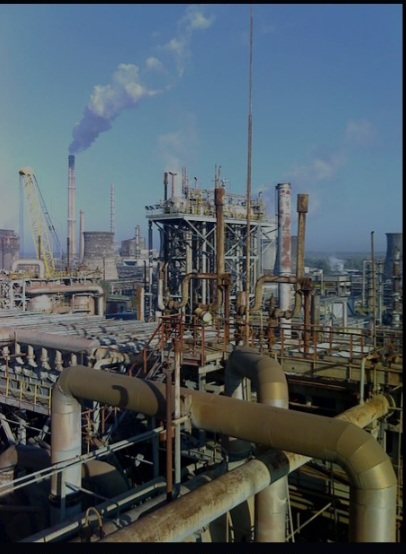
Fresh Hike in Dangote Petrol Price Sparks Fresh Inflation Fears*
Nigerians are bracing for another wave of rising transport fares, food prices and business costs after Dangote Petroleum Refinery raised the gantry price of Premium Motor Spirit (PMS).
The refinery increased its price from *N1,265 to N1,350 per litre* effective Saturday, September 12 - an *N85 jump*. It is the fourth upward adjustment since August 21, bringing the total increase to *N185 in just 22 days*.
The move has triggered anxiety across the country, as households are still reeling from previous fuel price shocks.
*Global Crude Rally Behind Increase*
The hike comes as global oil prices remain elevated. Brent crude is trading around *$104.60 per barrel*, after earlier spiking above $107, driven by supply fears linked to the escalating Middle East conflict and disruptions around the Strait of Hormuz.
The development has again raised questions about Nigeria's deregulated pricing regime and whether large-scale local refining can truly shield consumers from global oil market volatility.
*Drivers, Traders Groan*
For many Nigerians, the impact is immediate.
An e-hailing driver operating on inDrive said the current fares no longer make business sense.
> "inDrive is not favourable to us because of the fuel price. We have to beg customers to add money to what the app shows. If they refuse, I cancel the ride. I bought fuel at N1,400 per litre. It's crazy," he lamented.
Fuel consumers nationwide say the increase will further squeeze household budgets.
*Experts Explain The Pricing*
Petroleum economists say crude price alone does not determine pump price. The final price is built from several layers - refined product cost, logistics, primary and retail margins, and distribution costs.
They noted that the link between crude and petrol is not one-to-one, especially in Nigeria where exchange rate fluctuations and the cost of imported products still influence downstream pricing.
One expert described the situation as *asymmetric price transmission* - petrol prices tend to rise quickly when crude goes up, but fall much more slowly when crude drops, due to how costs move through the supply chain.
He also warned against creating a monopoly by shutting out imports, saying it would give a single dominant refiner excessive power to dictate prices.
Similarly, the Petroleum Economics and Wealth Initiative (PEWI) argued that it is not contradictory for Nigeria to export crude while Dangote Refinery imports crude for processing. What matters, it said, is capturing more value locally through competitive refining without losing foreign exchange earnings from crude exports.
*"This Is How Deregulation Works" - Economist*
Energy economist Dr. Ayodele Oni said the latest increase shows that the post-subsidy market is working as designed - prices now respond to international market fundamentals instead of being held down by subsidy.
"What domestic refining changes is not the crude price, but everything around it: the import freight, demurrage, financing and forex premium Nigerians paid for decades is gone," Oni explained.
However, he warned of the immediate consequence:
> "It is serious and it is fast. Petrol feeds directly into transport, and transport into food, which dominates the average household basket."
Oni said the government, not the refinery, should provide the cushion. He proposed that additional revenue from higher crude oil prices should be channeled into targeted transport support and cash transfers for the vulnerable, with transparent accounting.
He also advised accelerated funding for Compressed Natural Gas (CNG) and Liquefied Petroleum Gas (LPG) conversion for commercial vehicles and mass transit fleets to permanently cut petrol dependence.
Another energy analyst echoed that the hike is consistent with a deregulated market.
"There's no big surprise there because when you go to a market system, the market will determine the price. You cannot expect them to take a big loss on the local market," he said.
He however urged government to ease the burden on citizens without returning to blanket petrol subsidies.
"You can subsidise transportation. You can increase CNG transportation. The consumers are fed up with high prices, they are fed up with the cost of living, and the government has to do something."
- Olaoluwa Oladipupo
