Elections in most African countries are often marked by violence. Post-election analyses in European countries are usually reminiscent of the tolerance of the candidates, the intellectual depth they deployed during the campaign on how to solve problems, and the free and fair process that led to the emergence of the winner.
But in Africa, we count the number of violent incidents that lead to the death of party supporters before and after elections. In the just-concluded off-cycle governorship election conducted last week in Osun State, Nigeria, it was recorded that about fifty people were killed, with an unspecified number of people injured.
Among countries reputed for crises during elections are Nigeria, Ghana, Togo, Senegal, Cape Verde, Côte d'Ivoire, Benin, Burkina Faso, Liberia, and Sierra Leone. They have witnessed back-to-back political transitions on more than one occasion since the 1990s, yet the cycle of election violence has not abated.
The wave of democratic rule that brewed across African countries in the 1990s was intentionally conceived to put a stop to the various forms of electoral violence on the continent. Democratic tenets give people the power to freely choose the leader of their choice. When people become part of the process, they will have a sense of inclusion and will be less agitated.
The contradiction against this backdrop is that despite democracy, the culture of violence persists, is a pointer to the fact that African leaders need to make frontal and decisive efforts to solve the issue of perennial poverty across the continent.
Africa is blessed with both human and material resources to be the wealthiest continent on earth. But leadership inefficiency, corruption, nepotism, and other vices are making it a shadow of itself.
In my opinion, the convergence of candidates around the roundtable, like what happened in Nigeria yesterday to sign a peace deal ahead of the elections, shows that the candidates should not be standing for election in the first place. It shows that they have been susceptible to violence credited to them in the past.
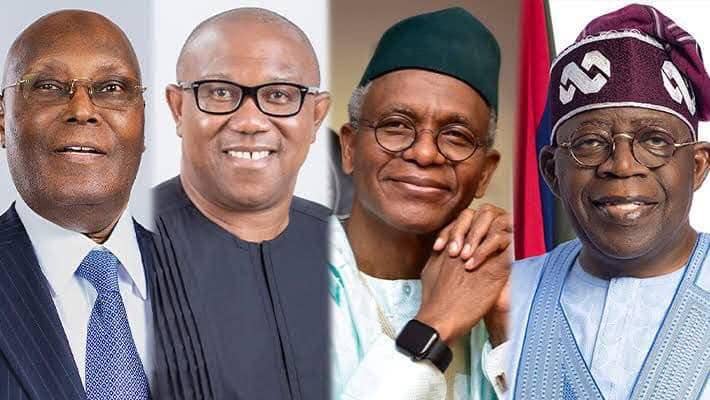
The incumbent President of Nigeria, Bola Ahmed Tinubu, and opposition figures signed the Peace Accord yesterday, agreeing to play according to the Electoral Act.
The peace agreement, organised by the National Peace Committee (NPC) under the chairmanship of former Head of State, Gen. Abdulsalami Abubakar (rtd.), aims to foster social cohesion, minimise political friction, and ensure that democratic choices reflect the will of the people.
In Nigeria, the campaign by political parties for the 2027 elections officially begins today. Party stakeholders and supporters are not to be taken at their word and must be forced into signing a peace deal, a shameful and disturbing scenario that does not befit a leader.
Opinion
Election Cycle Peace Accord: The shame of Africa Leaders
Despite the return of democratic rule across Africa, election-related violence remains a persistent threat, exposing the continent’s deeper challenges of poverty, corruption, weak leadership, and political impunity. Nigeria’s latest peace accord ahead of the 2027 elections raises questions about the credibility of political leaders and the need for stronger measures to ensure peaceful, free and fair elections.
#Nigeria#Africa#Elections#Electoral Violence#2027 Elections#Democracy#Political Violence#Peace Accord#Bola Ahmed Tinubu#National Peace Committee#Abdulsalami Abubakar#Poverty#Corruption#Leadership#Governance#Electoral Reform
In-article Ad · 728×90
Your brand here — advertise@clearpointa.com
Comments (0)
Be the first to comment.
Related Stories